No. 01Plant now
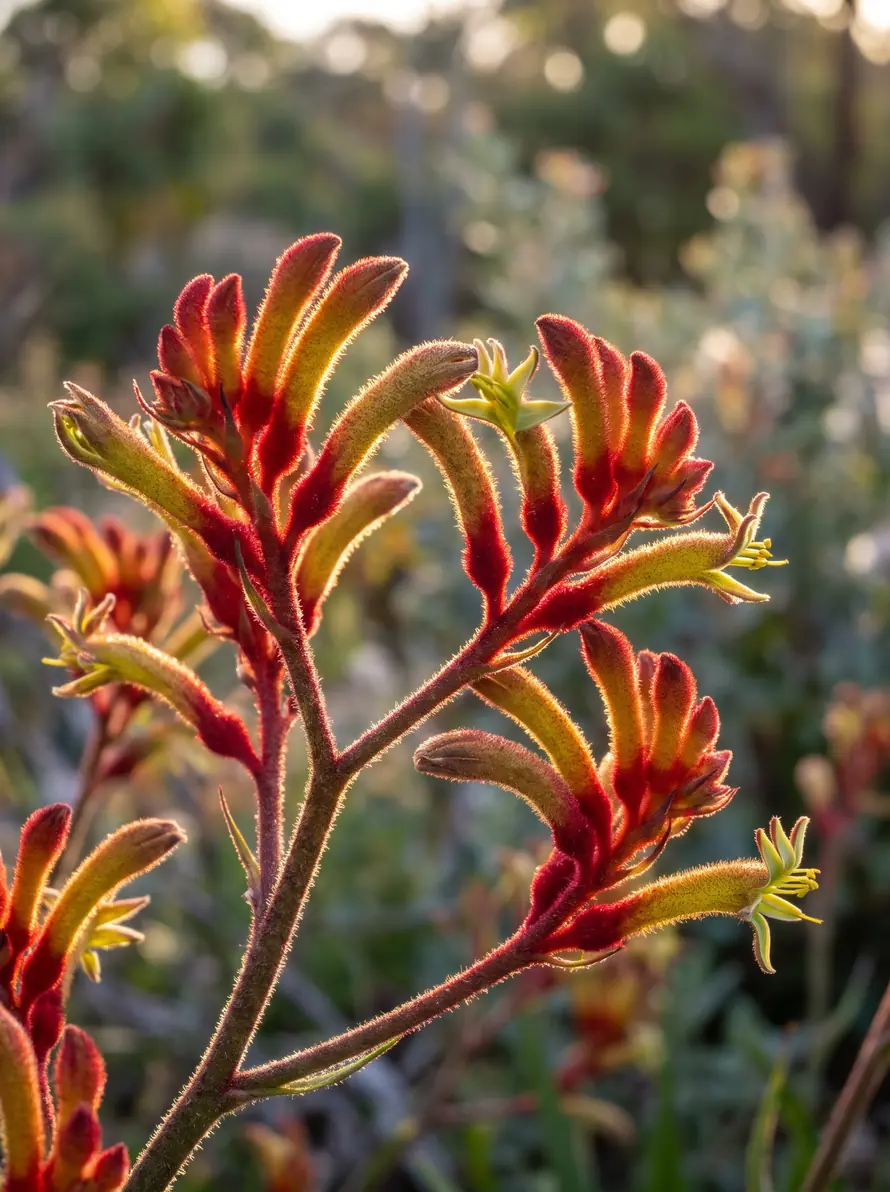
Kangaroo paw
Anigozanthos spp.
Sun Water
Full sun and good drainage. Cut spent stems to the ground after flowering and it comes back thicker.
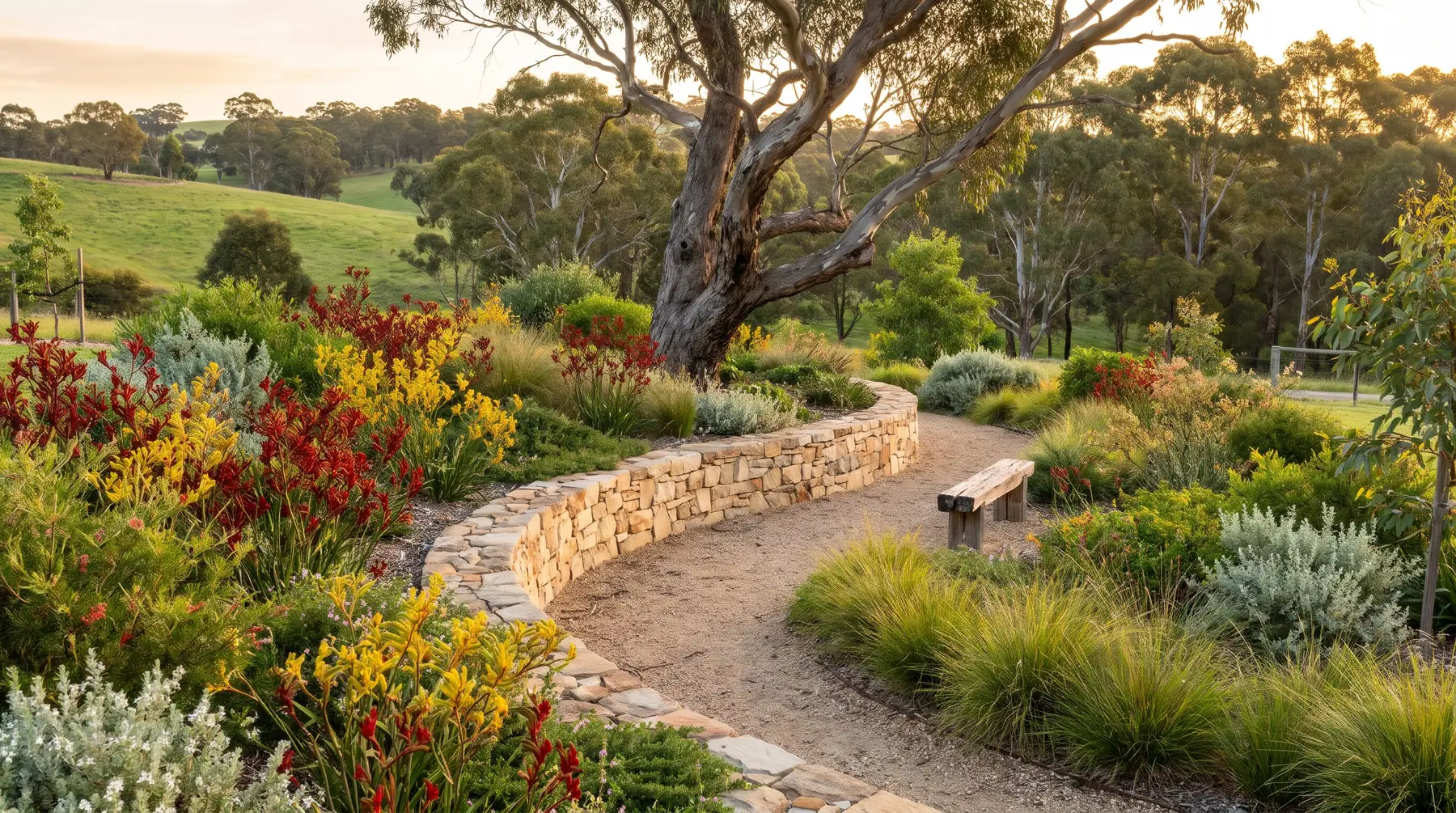
Native gardens, paving and dry-stone walls for the Adelaide Hills. Planted for your soil, built from local stone, and made to look better every year, dry summers included.
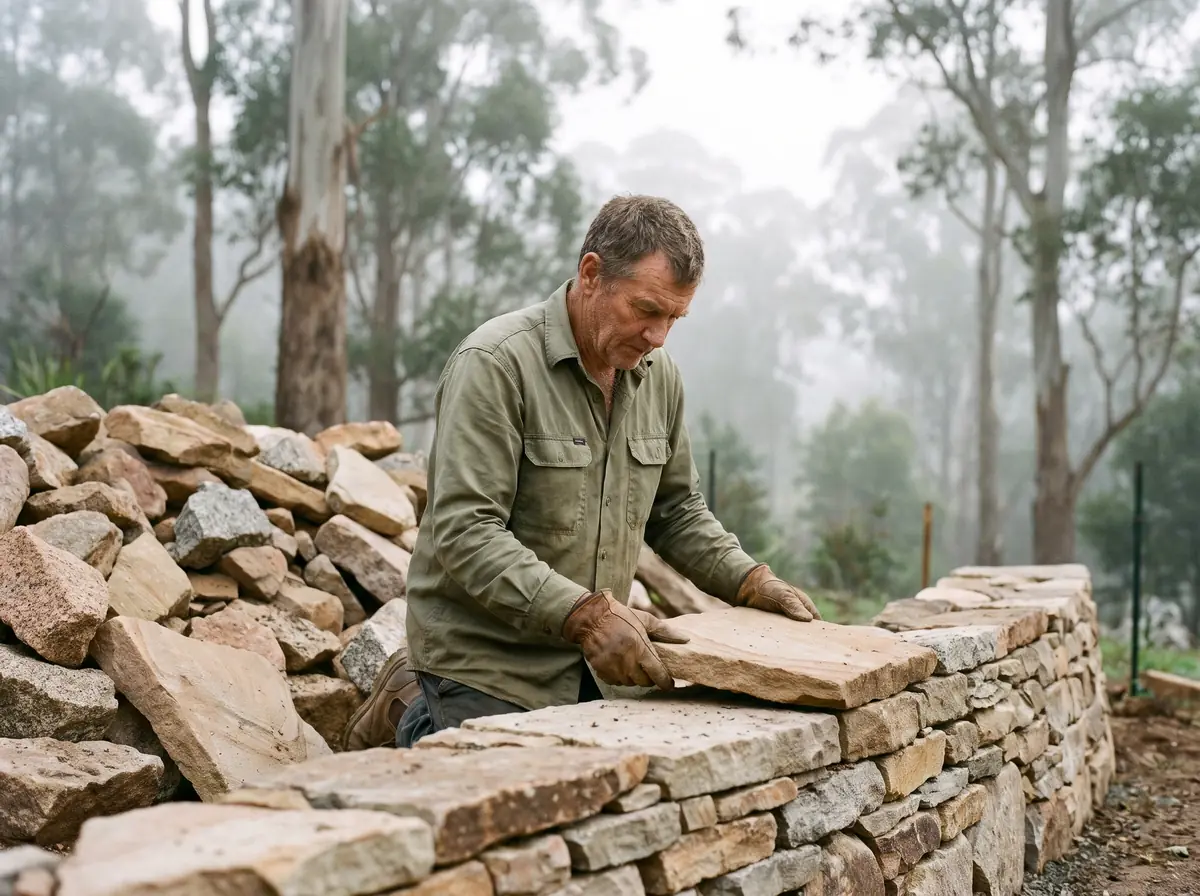
Twelve years of gardens from Stirling to Mount Barker. We grew up on these slopes: heavy clay, cold wet winters and summers that bake.
So we lay stone the old way, without mortar, and we plant what already thrives here. Gardens that feed the honeyeaters, cope with a hot north wind and need less from you every year.
Our field guide for Hills gardens, written fresh each month. What to put in the ground now, and how to keep it happy.
Full sun and good drainage. Cut spent stems to the ground after flowering and it comes back thicker.
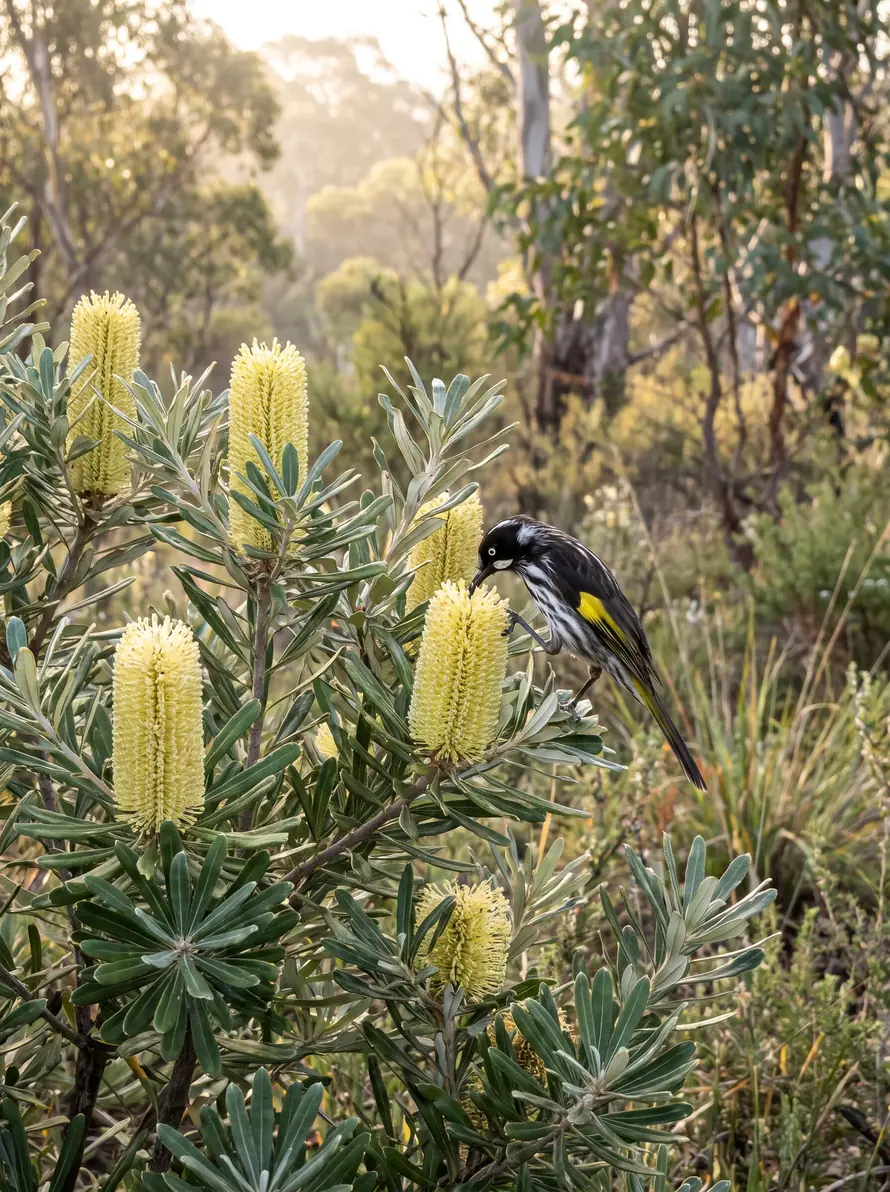
Feeds New Holland honeyeaters and shrugs off a hot north wind. Never give it phosphorus fertiliser.
Happy in the dappled shade under gums. Flowers through the cooler months, when little else does.
A tough, low shrub for hot banks. Pink spider flowers in winter and spring, and the birds find it fast.
Not sure what suits your soil? We test it free on the garden visit and send you a planting list.
Book a free visitEvery quote is fixed and itemised, with the stone and plants named. These are typical starting prices across the Hills.
A drawn plan and a planting list chosen for your soil, slope and sun. Then we plant it, mulch it and water it in.
Paths and courtyards that drain properly and stay put: bluestone steppers, crushed granite, sandstone and brick.
Dry-stone walls, seat walls and retaining walls that hold a slope and look like they've been there a hundred years.
Four visits a year to prune, weed, mulch and check your watering, so the garden keeps looking like the plan.
A few we finished lately. Every one started with a free walk around the block and a soil test.
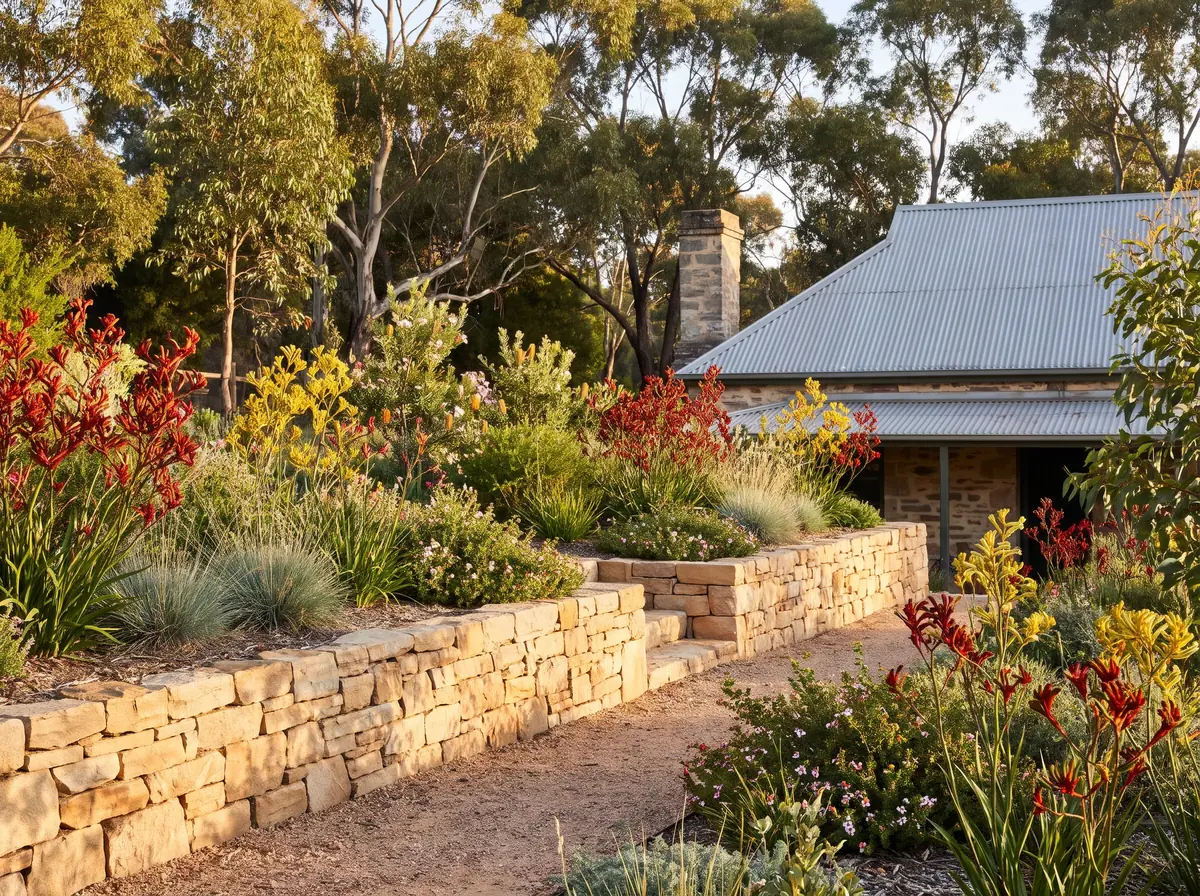
Dry-stone wall, gravel path and a kangaroo paw border. Six weeks, autumn.
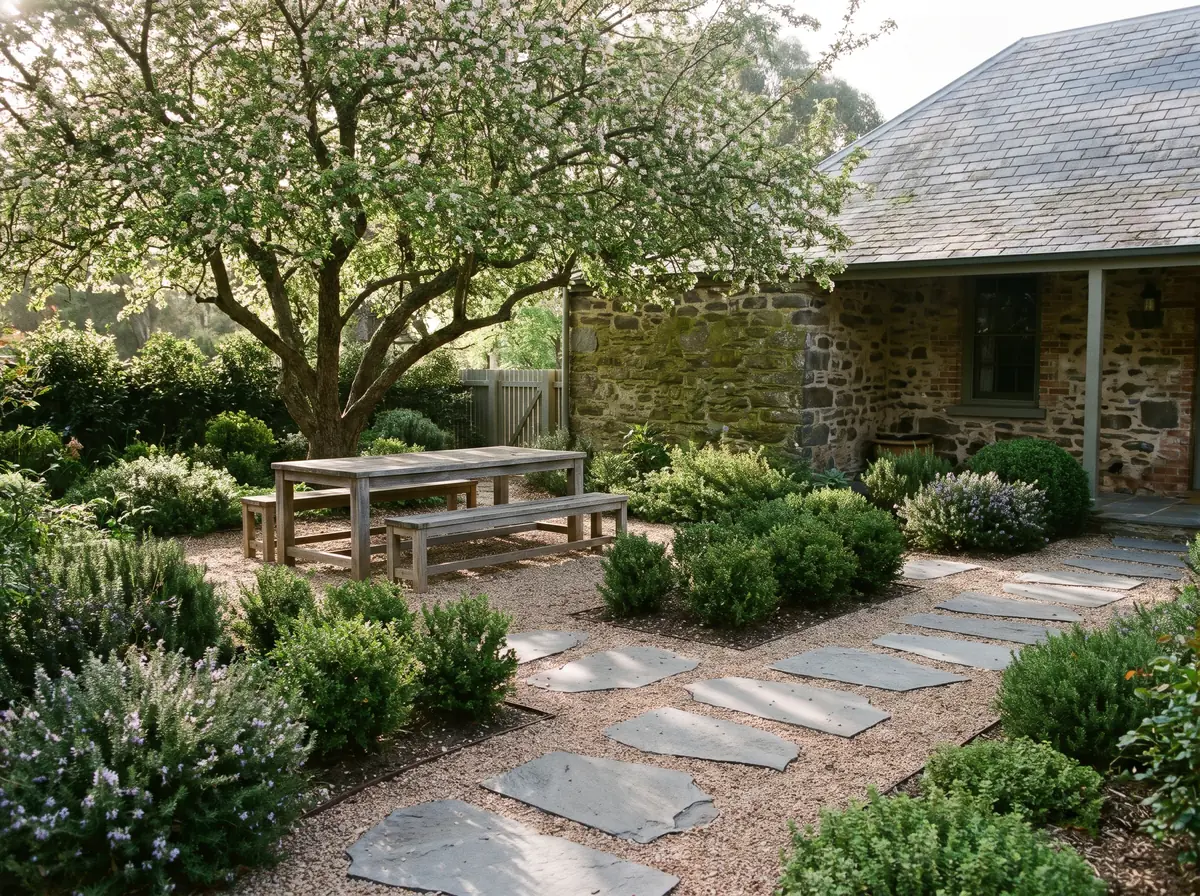
Bluestone steppers under the old crab apple. Three weeks.
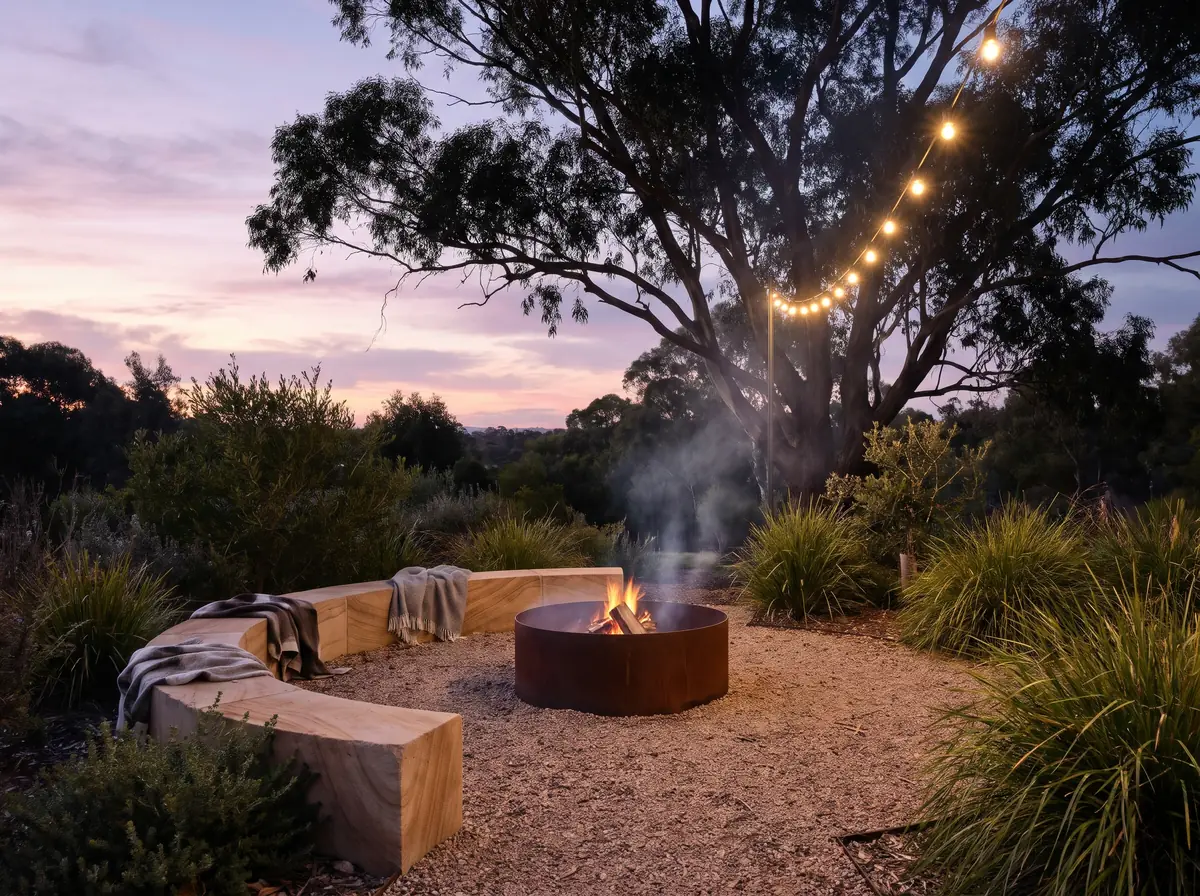
Corten fire pit and sandstone seat wall. Four weeks.
Six towns along one stretch of freeway. Most of our gardens are within 25 minutes of Stirling.
One crew from the first visit to the last check-in. No subbies you've never met.
We walk the block with you, dig a soil test and listen. About 45 minutes, no charge and no pressure.
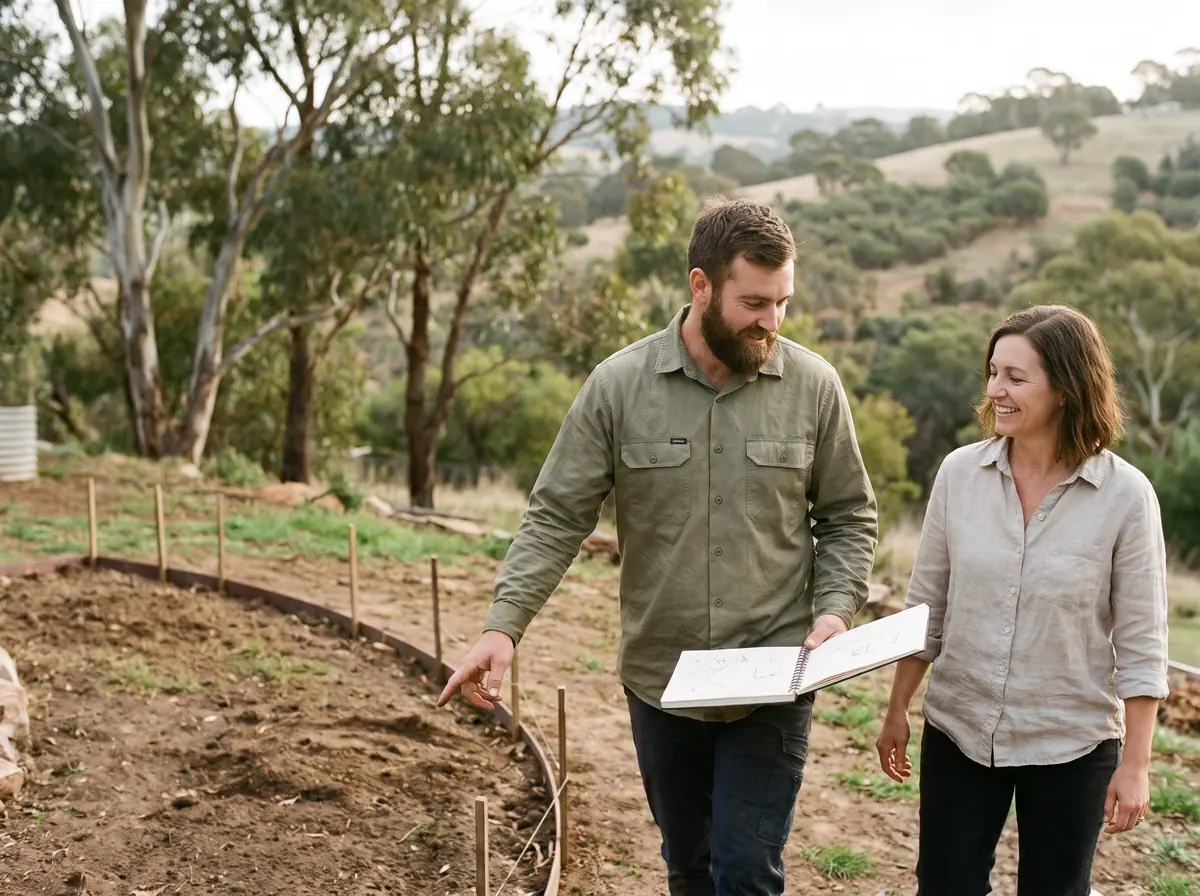
A drawn plan, a plant list that suits your soil, and a fixed quote. Usually within two weeks.
Stone, paving, then planting, with a tidy site every night. Most gardens take two to six weeks.
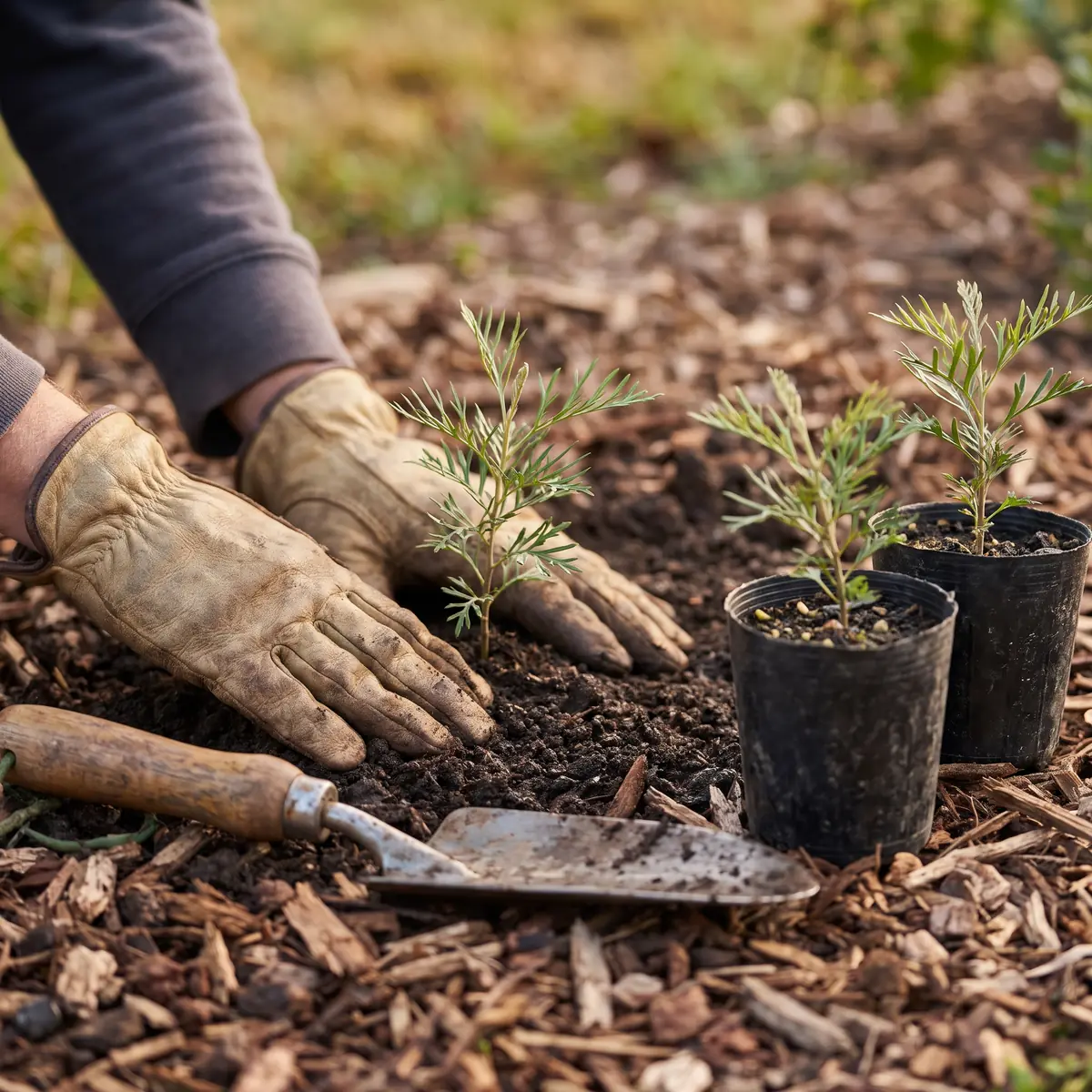
We come back after your second summer to check, prune and swap anything that sulked. Free.
Two summers on and it still looks like the drawings. Better, actually.
“Our block is all slope and clay. They turned it into three terraces we actually use, and the wall is a work of art.”
“Asked for low-water. Got a garden full of honeyeaters, and I've watered it four times since spring.”
If yours isn't here, ask us on the free visit. We'd rather you knew.
Yes, once it's settled. We choose plants for your soil and aspect, set up drip watering for the first two summers and mulch deep. After that, most of our gardens get by on a deep soak every week or two in a heatwave.
Yes. We keep the area closest to the house low and open, use gravel, paving and stone walls as breaks, and choose lower-fuel plants near buildings. We follow the CFS advice for Hills properties and talk it through on the visit.
Not in your garden, we promise. We just loved the name. Kangaroos, possums and rabbits are the real locals, so we pick plants they tend to leave alone and guard new plantings for the first season.
A planting-only job is a few days. Most gardens with paving or a wall take two to six weeks, depending on the stone and the weather. You'll get a start date and a week-by-week plan with your quote.
We'll test your soil, walk the block with you and send a planting list afterwards, whether or not you go ahead.